Problem Statement

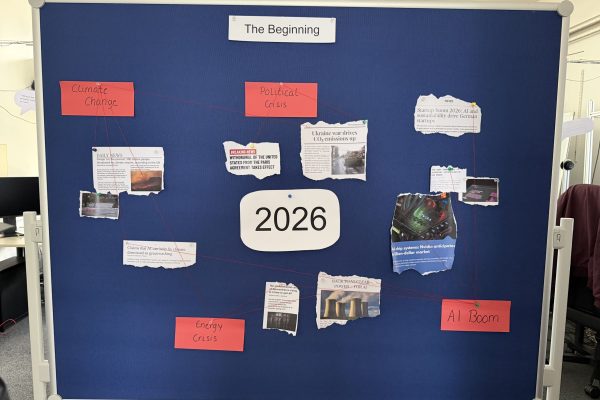
Artificial intelligence is becoming an important part of everyday life and increasingly influences how people see and understand the world. Instead of only supporting decisions, AI can shape what information people receive and how they perceive their surroundings. At the same time, society faces major challenges such as climate change, energy shortages, and growing uncertainty. In such situations, technologies that promise comfort and stability become more attractive. However, this also raises important questions about trust, transparency, and dependency. If AI begins to change what people perceive as reality, it may reduce their awareness of real problems and limit their ability to make informed decisions.
Idea and Concept

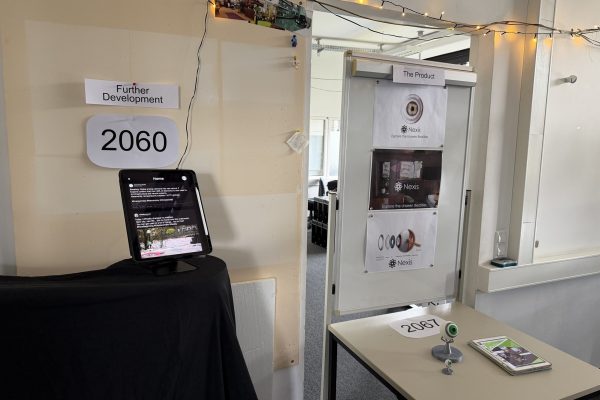
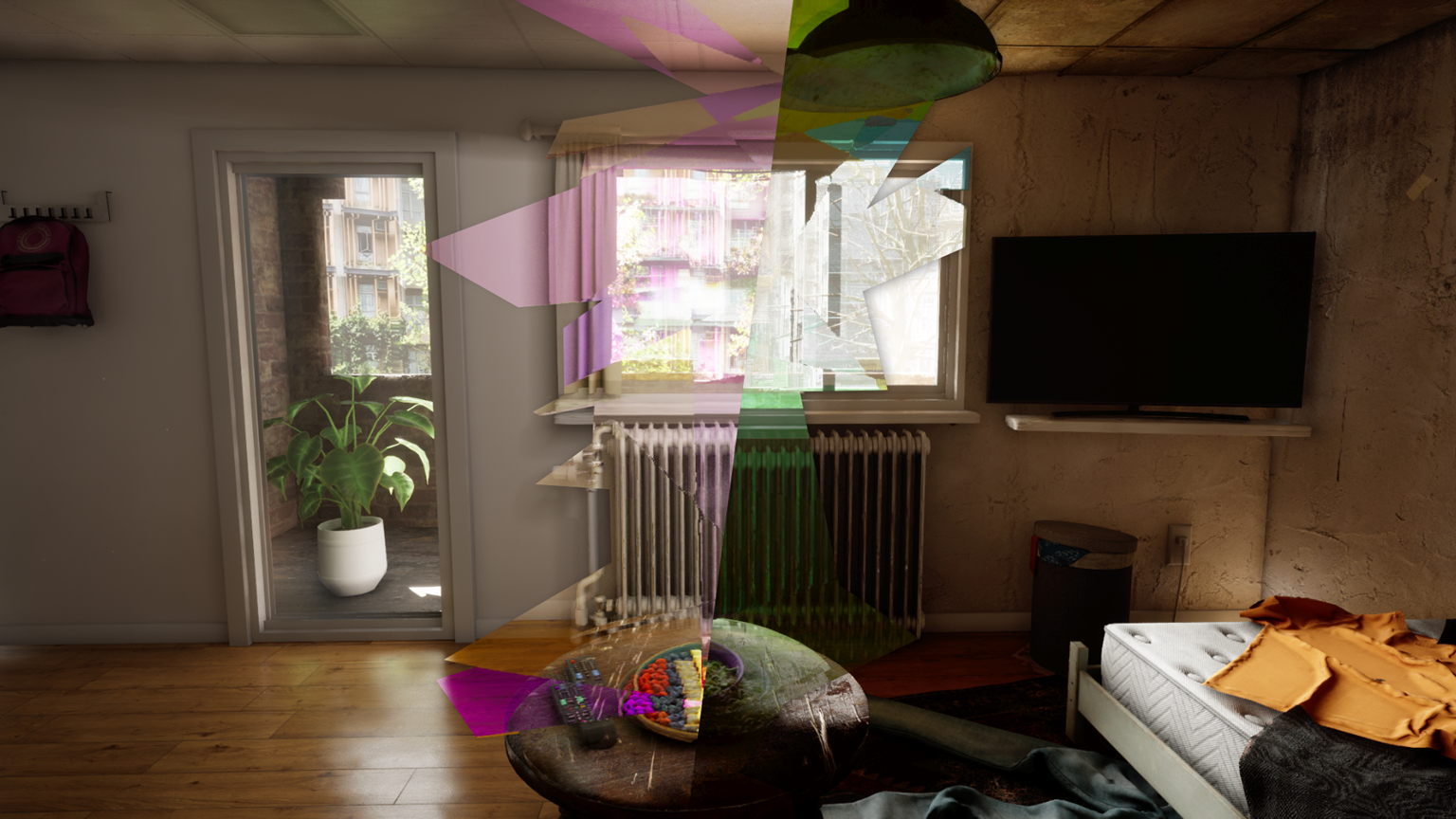
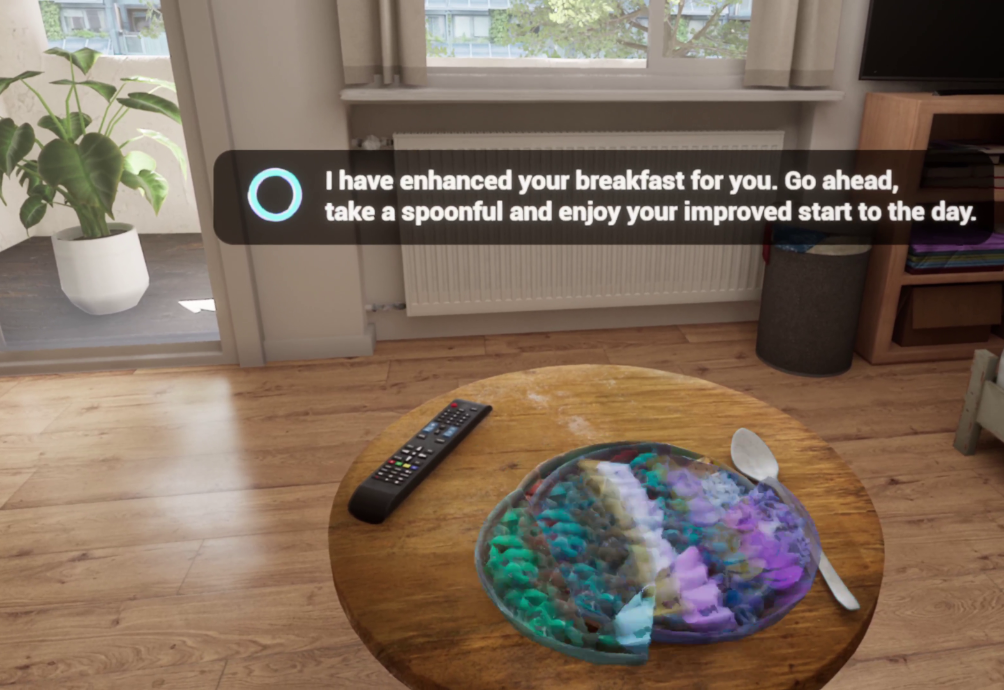
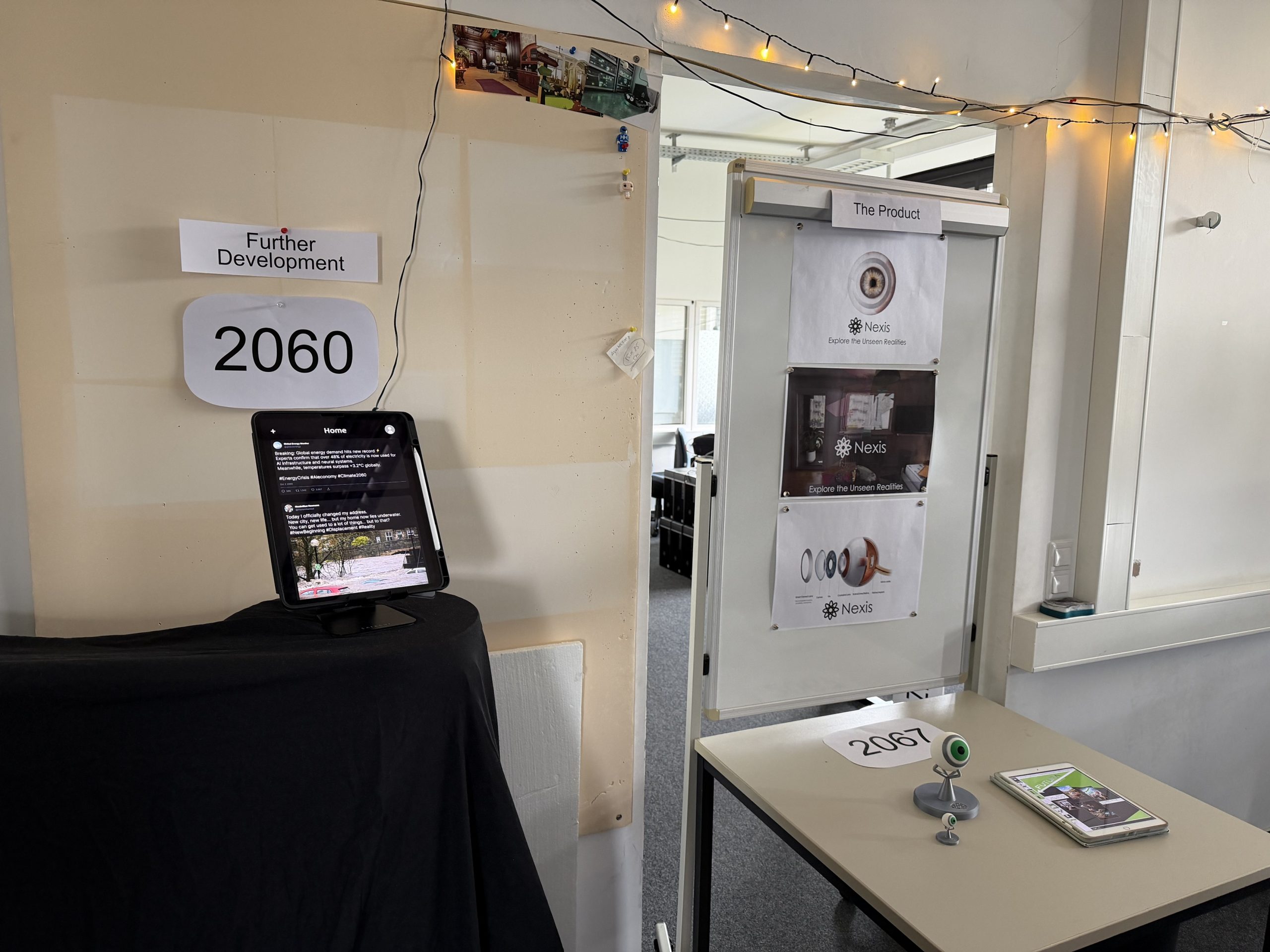
Unseen Realities explores these questions through a speculative future scenario. The project imagines an AI-powered eye implant that changes how people see the world. Instead of solving environmental and social problems, the implant hides them by replacing damaged surroundings with beautiful and healthy-looking environments. This makes everyday life seem normal, even though serious problems still exist. The project does not try to predict the future but encourages people to think critically about how AI could influence perception, decision-making, and society. Through this experience, visitors are invited to reflect on the ethical consequences of relying on AI to shape reality.

Implementation

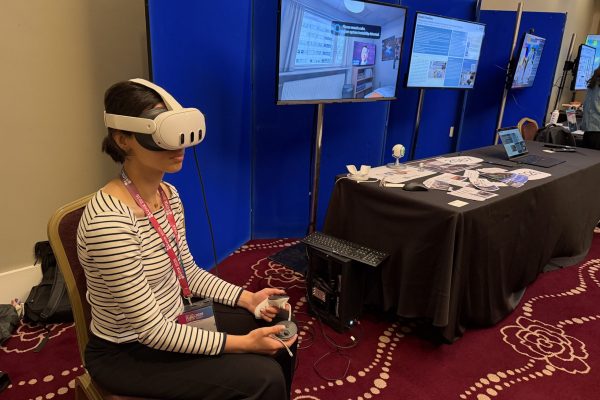
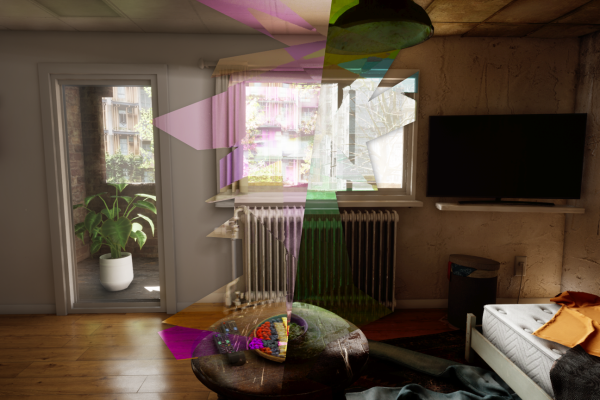
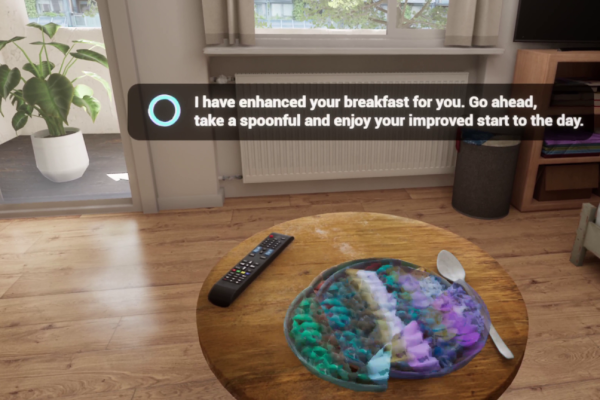
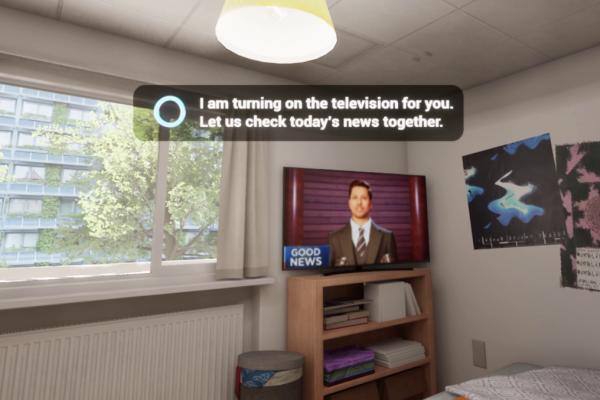
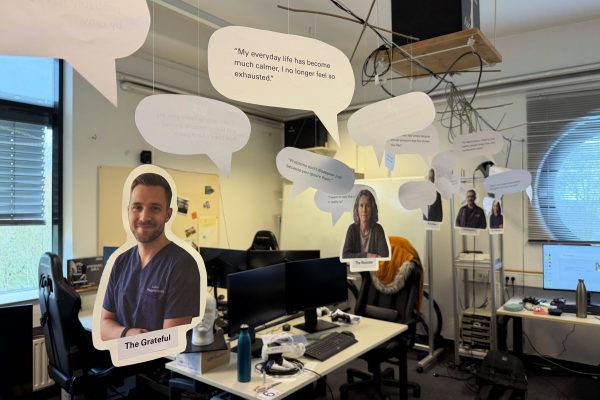
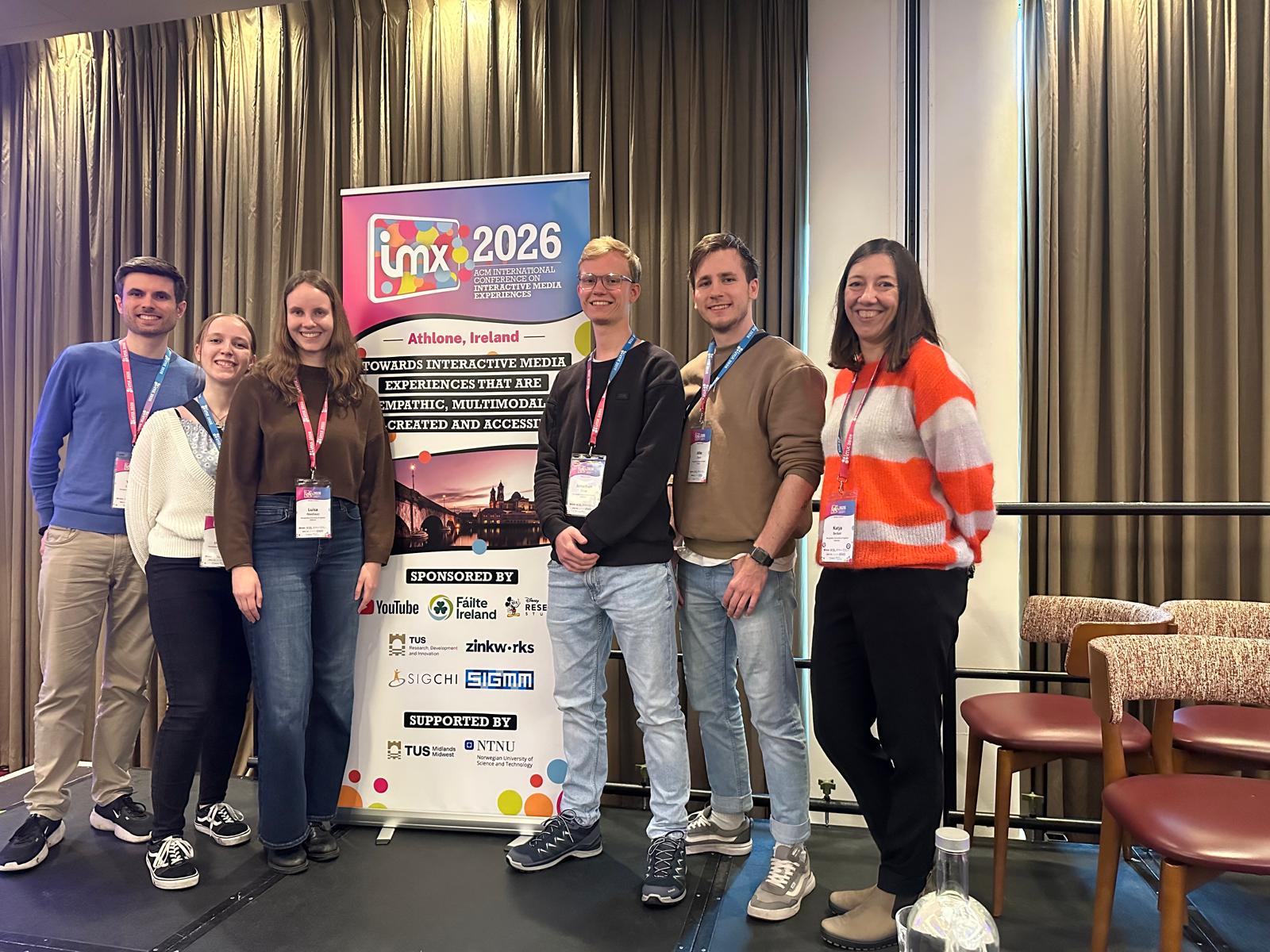
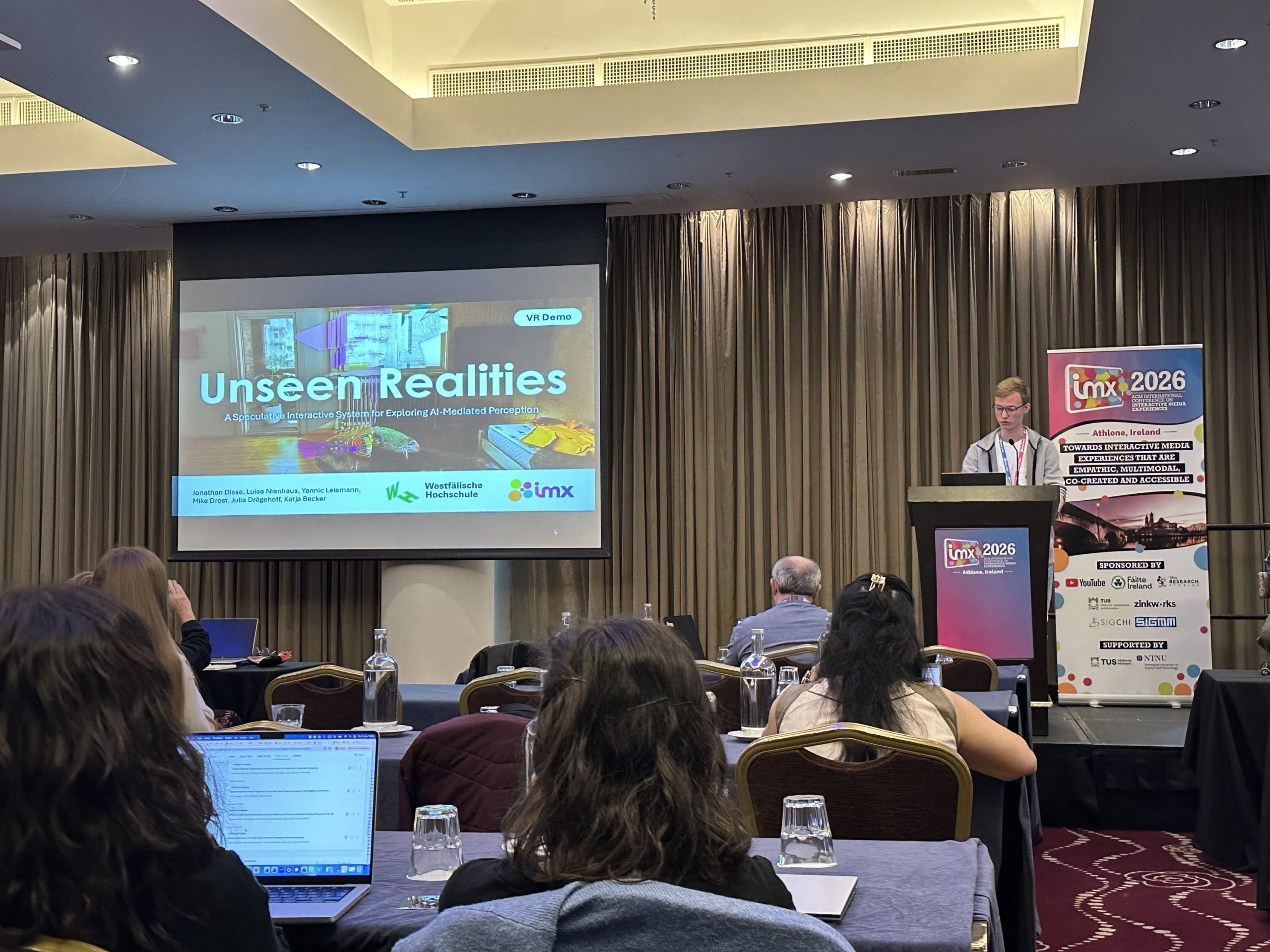
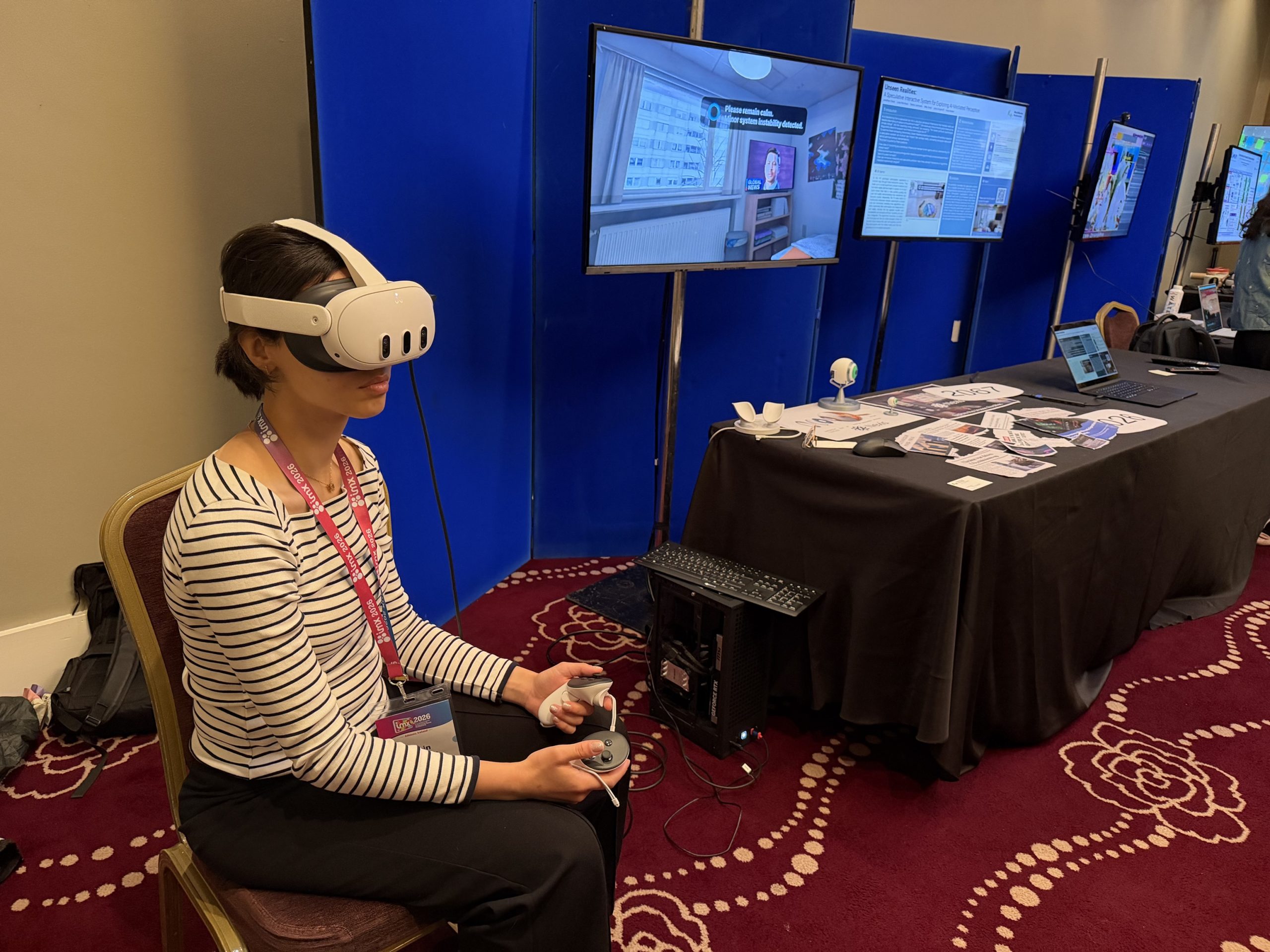
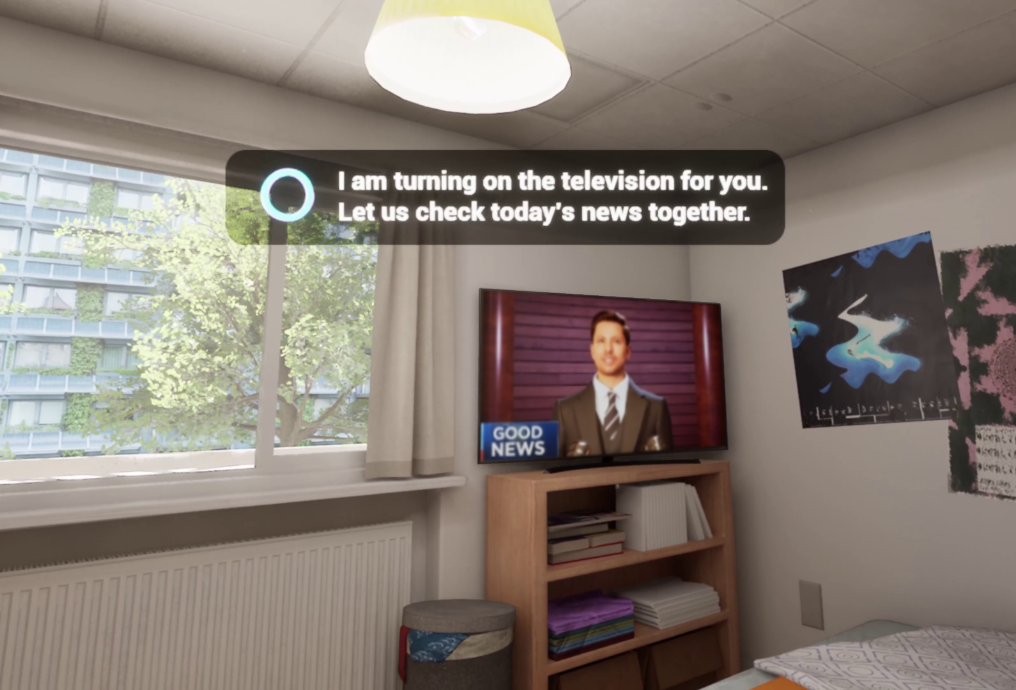
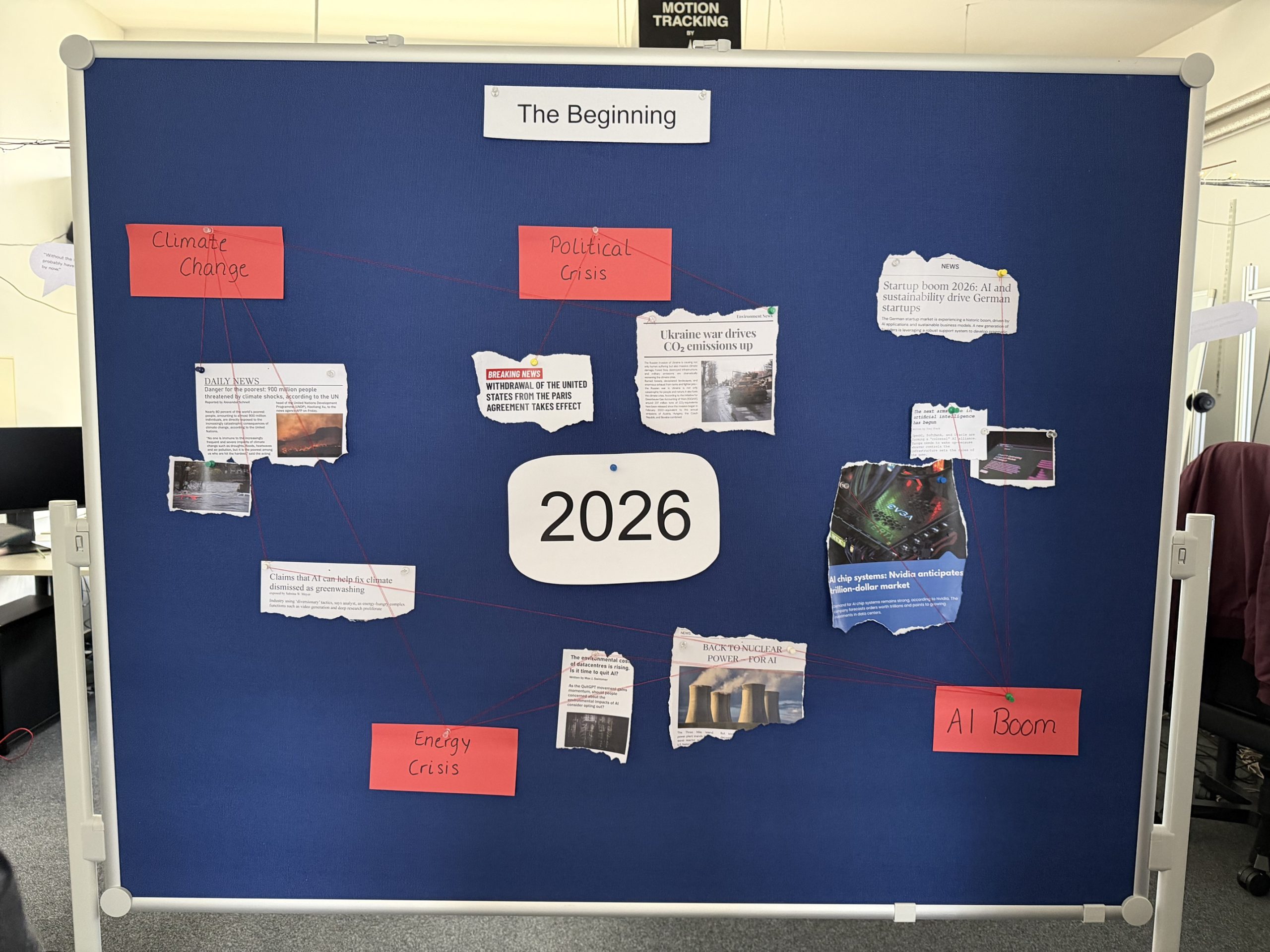
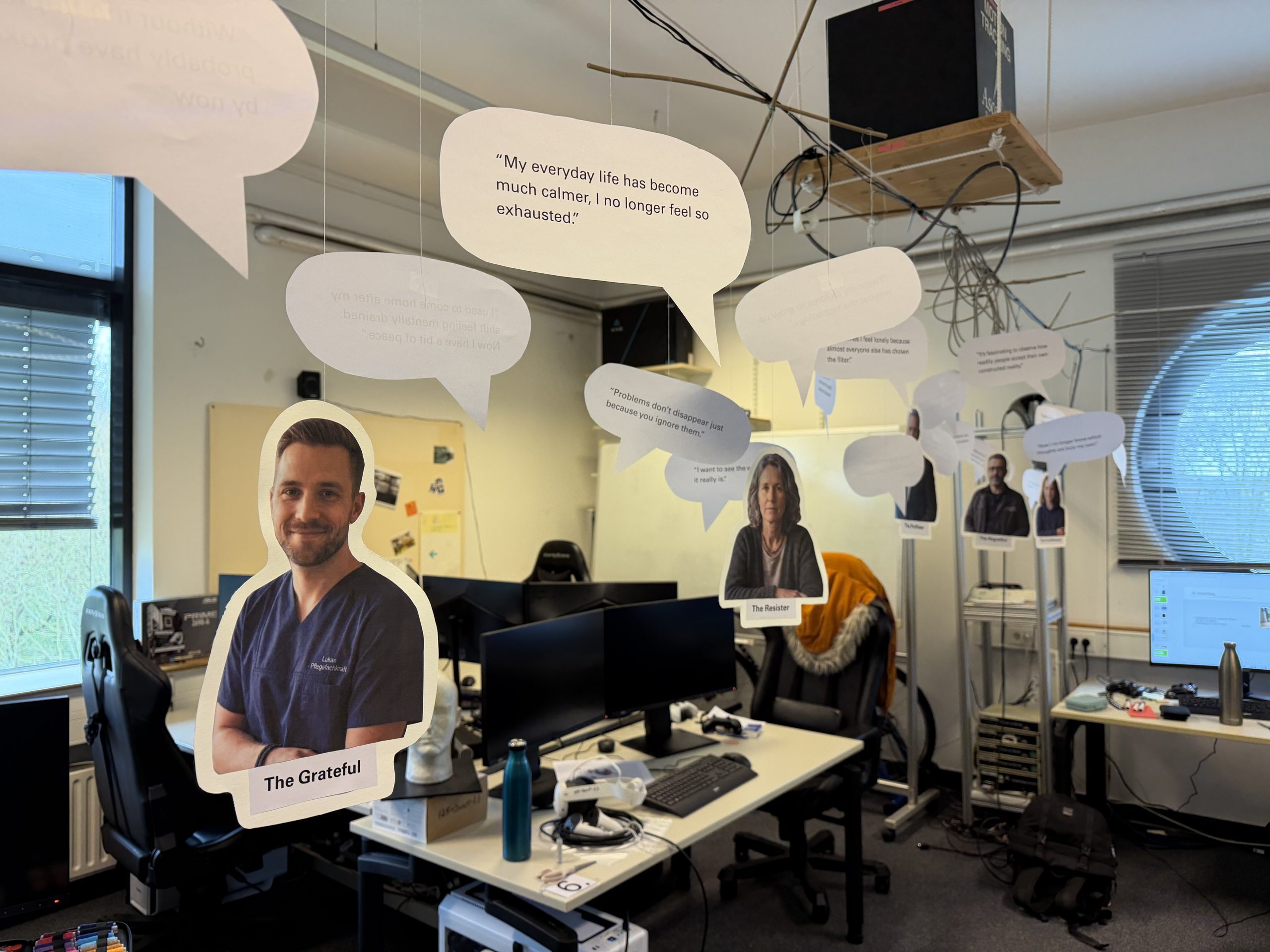
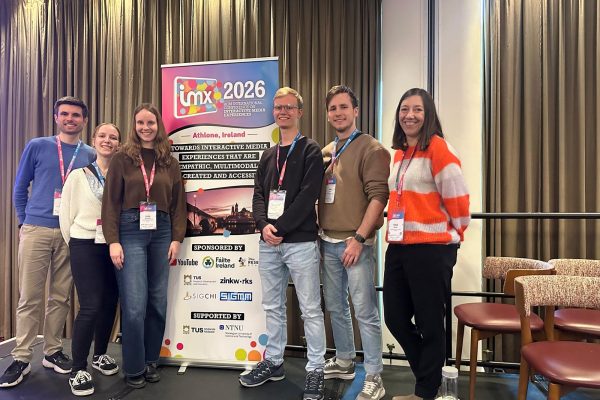
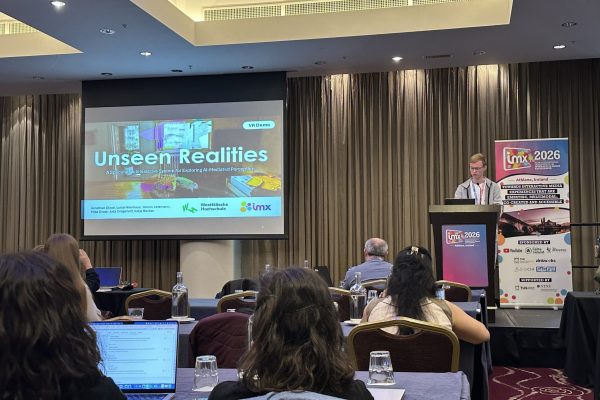
The project consists of an interactive virtual reality experience and a physical exhibition. In the VR experience, users live through a short everyday scenario while an AI system changes what they see and hear. As the experience continues, visual glitches reveal that the AI is hiding the true state of the world. The exhibition supports the story with posters, visualizations, fictional advertisements, and a 3D-printed model of the eye implant. Unseen Realities was presented at the ACM International Conference on Interactive Media Experiences (IMX) in Athlone, Ireland, where it encouraged discussions about AI, perception, and responsible interaction design.

Module

Advanced Interface Design (AID)

Duration

10/2025 – 06/2026

Team Member/s

Jonathan Disse
Luisa Nienhaus
Yannic Leismann
Mike Drost
Julia Drögehoff

LEARN MORE