Problem Statement

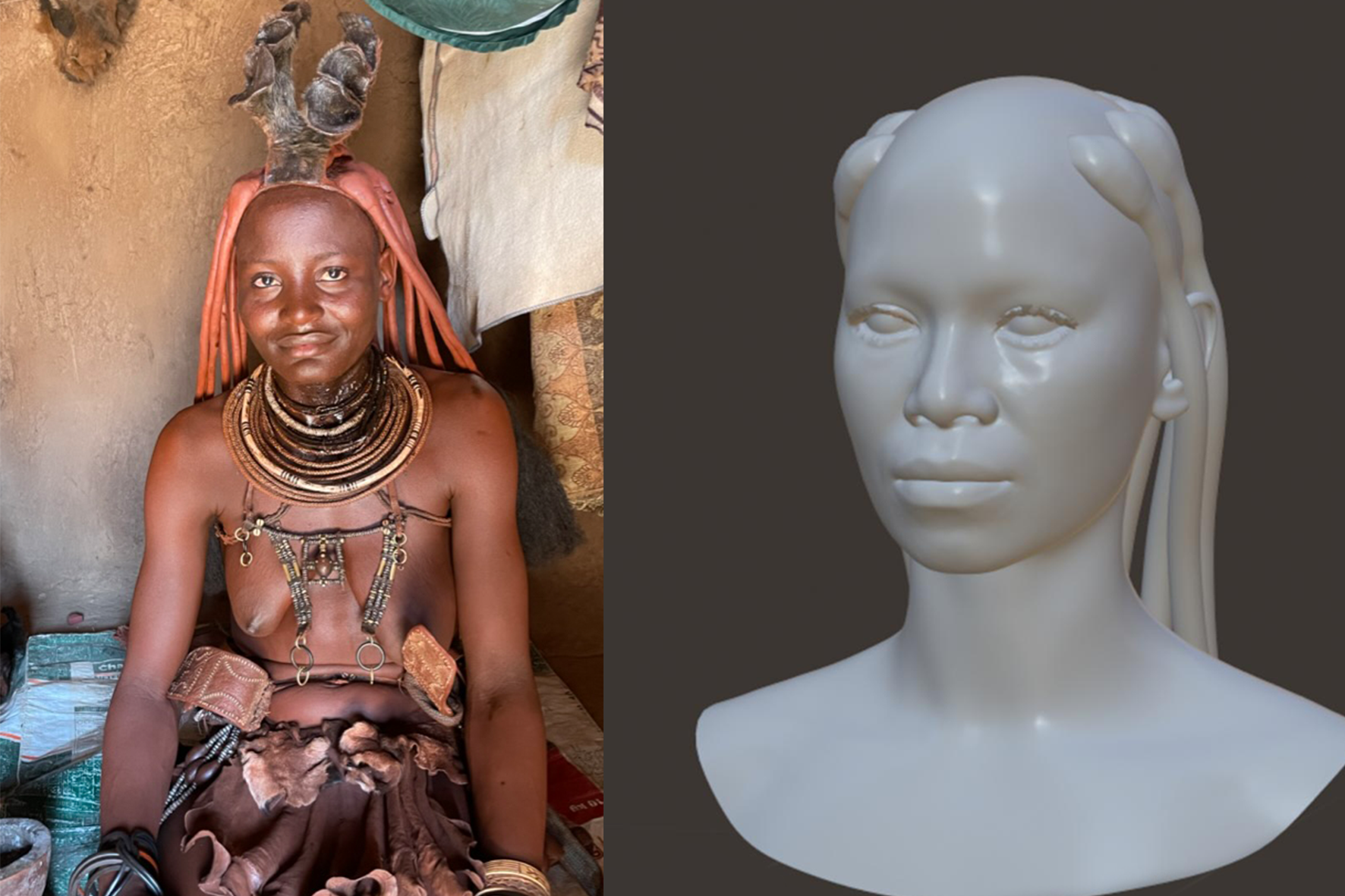
Digital games and virtual environments often rely on Non-Player Characters (NPCs) that are shaped by Western design paradigms, focusing on individualism, autonomy, and functionality. This leads to stereotypical or superficial representations, especially when depicting non-Western or indigenous cultures. As a result, everyday cultural practices, communal structures, and collective values are frequently misrepresented or overlooked. At the same time, indigenous cultural knowledge is increasingly threatened by globalization, climate change, and cultural homogenization. There is a need for culturally sensitive virtual representations that preserve and communicate living traditions without reducing them to exoticized or gamified experiences.
Idea and Concept

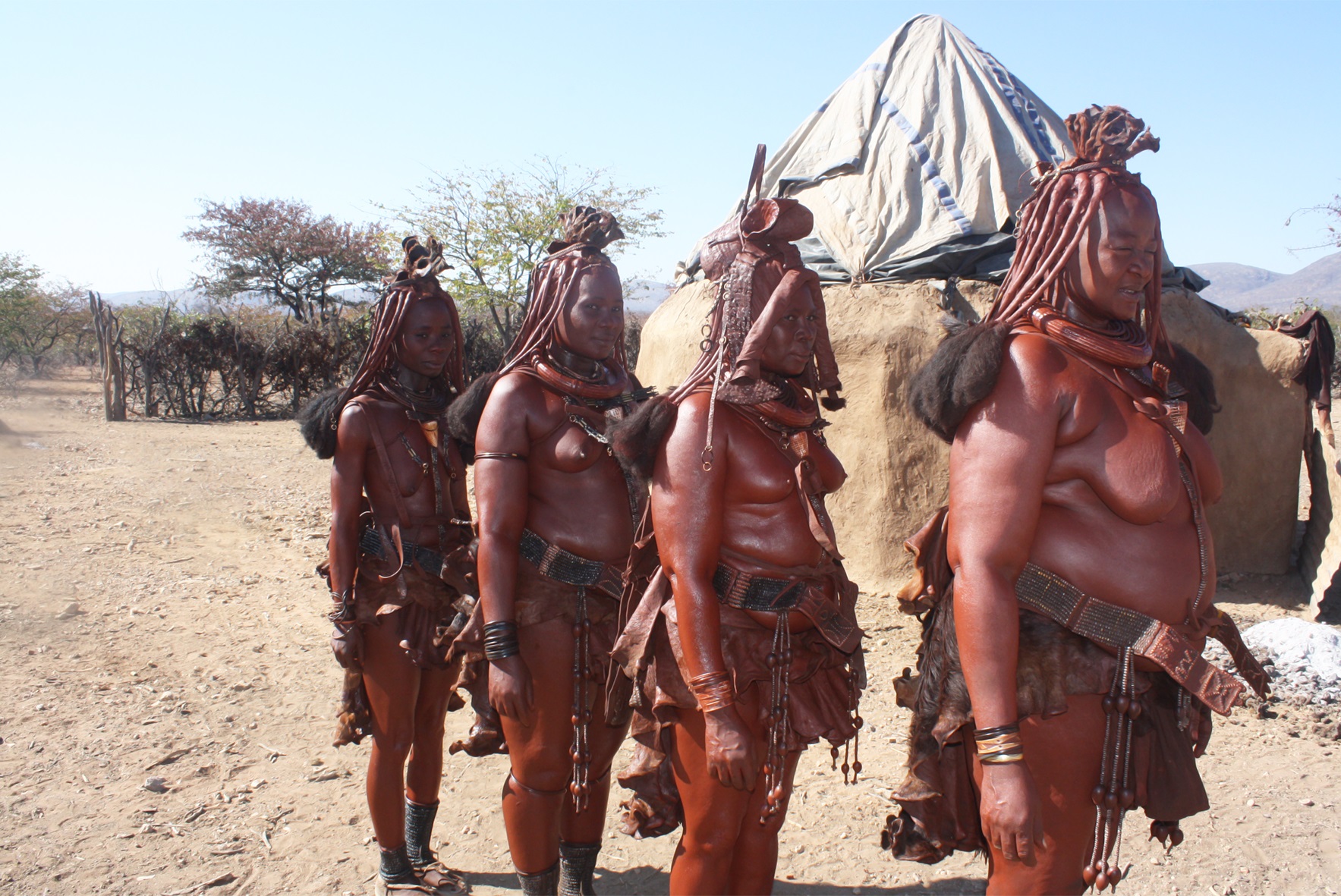
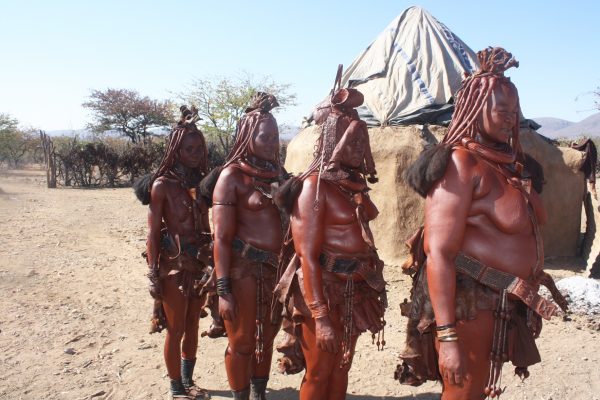
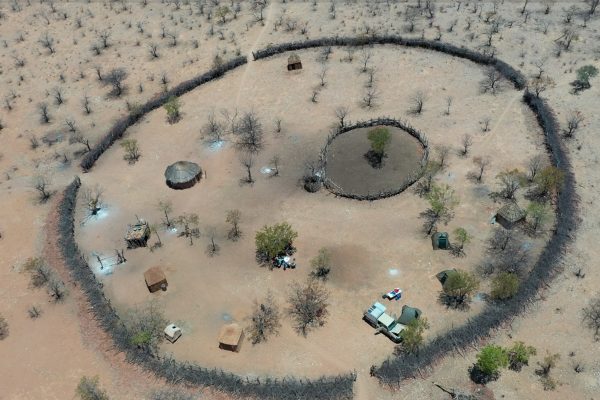
The project explores how culturally authentic and lively NPCs and their behavior can be designed to represent the everyday life of the OvaHimba people in Namibia within a virtual reality environment. The core idea is to shift away from individual-centric NPC design towards a community-oriented perspective inspired by the Ubuntu philosophy. Instead of interactive gameplay, users take the role of passive observers, allowing them to experience daily routines, social structures, and spatial organization without interfering in sacred or culturally sensitive practices. The virtual homestead serves as a digital space for cultural preservation, education, and respectful engagement.

Implementation

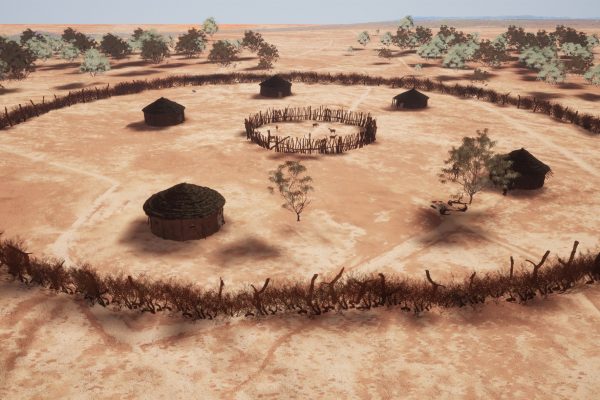
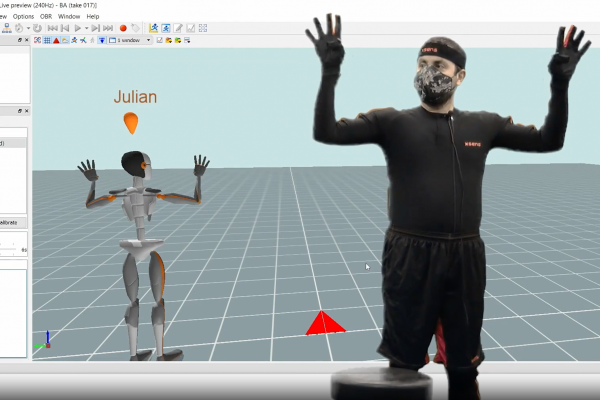
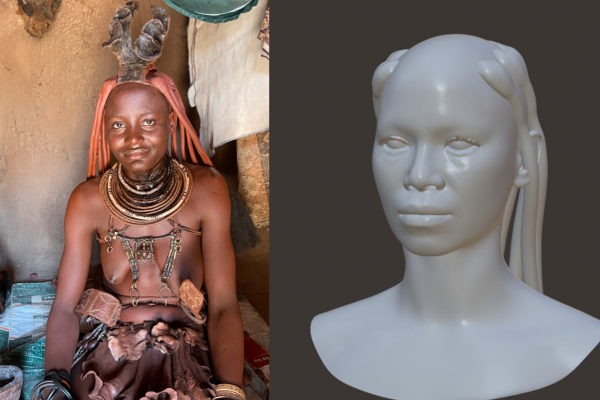
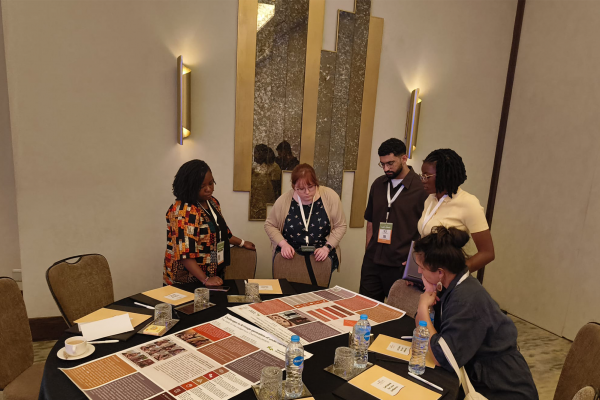
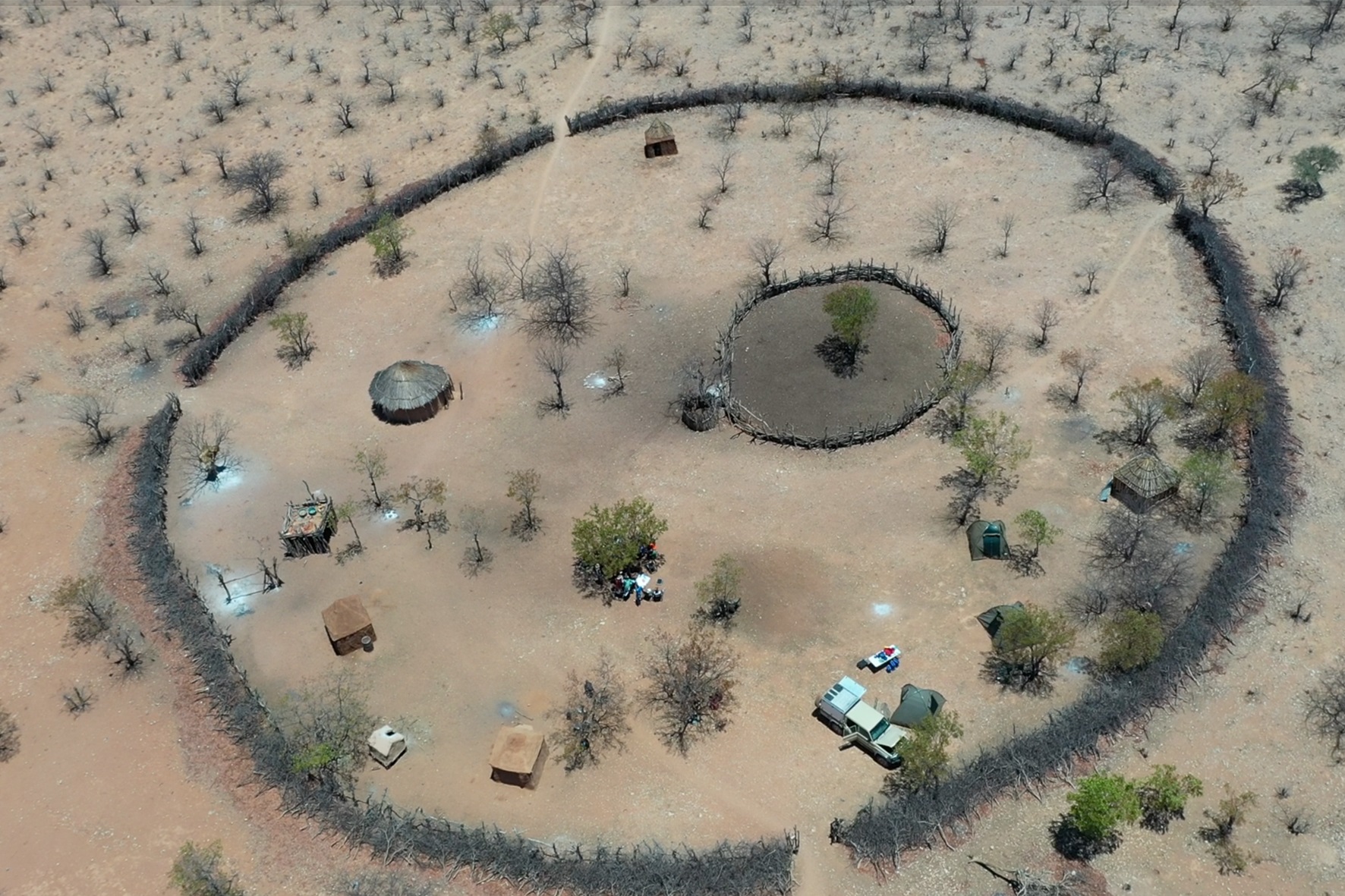
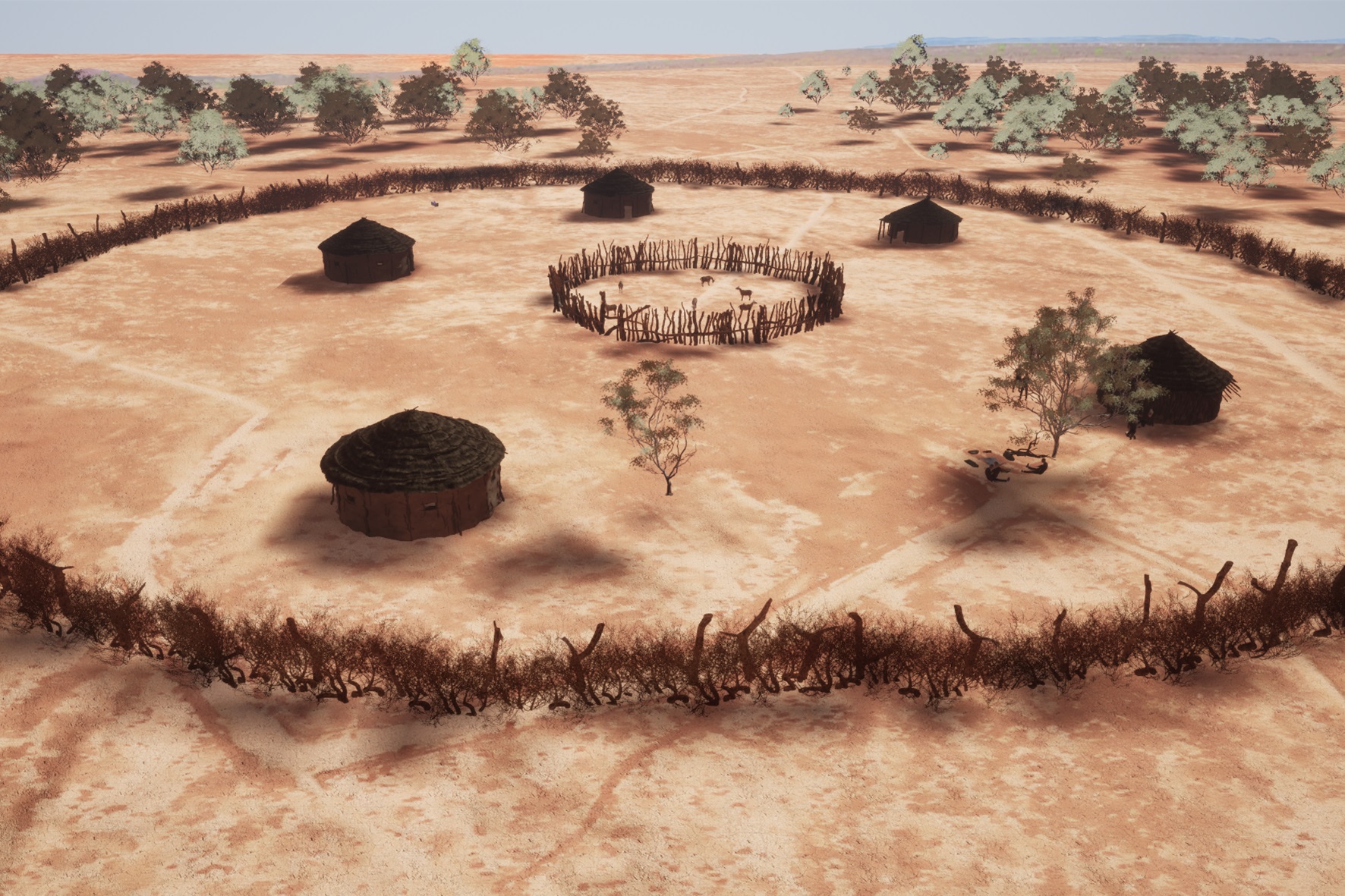
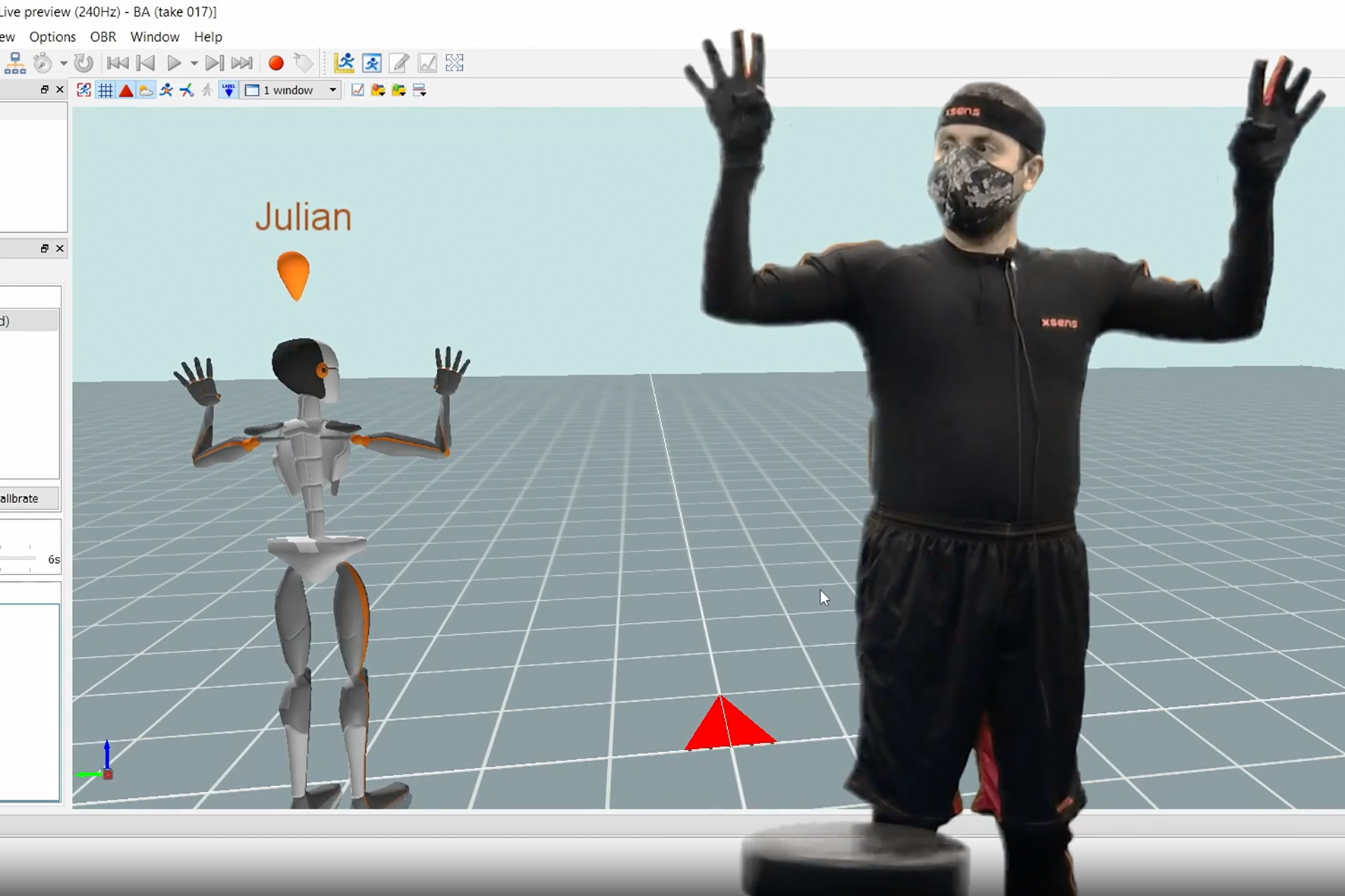
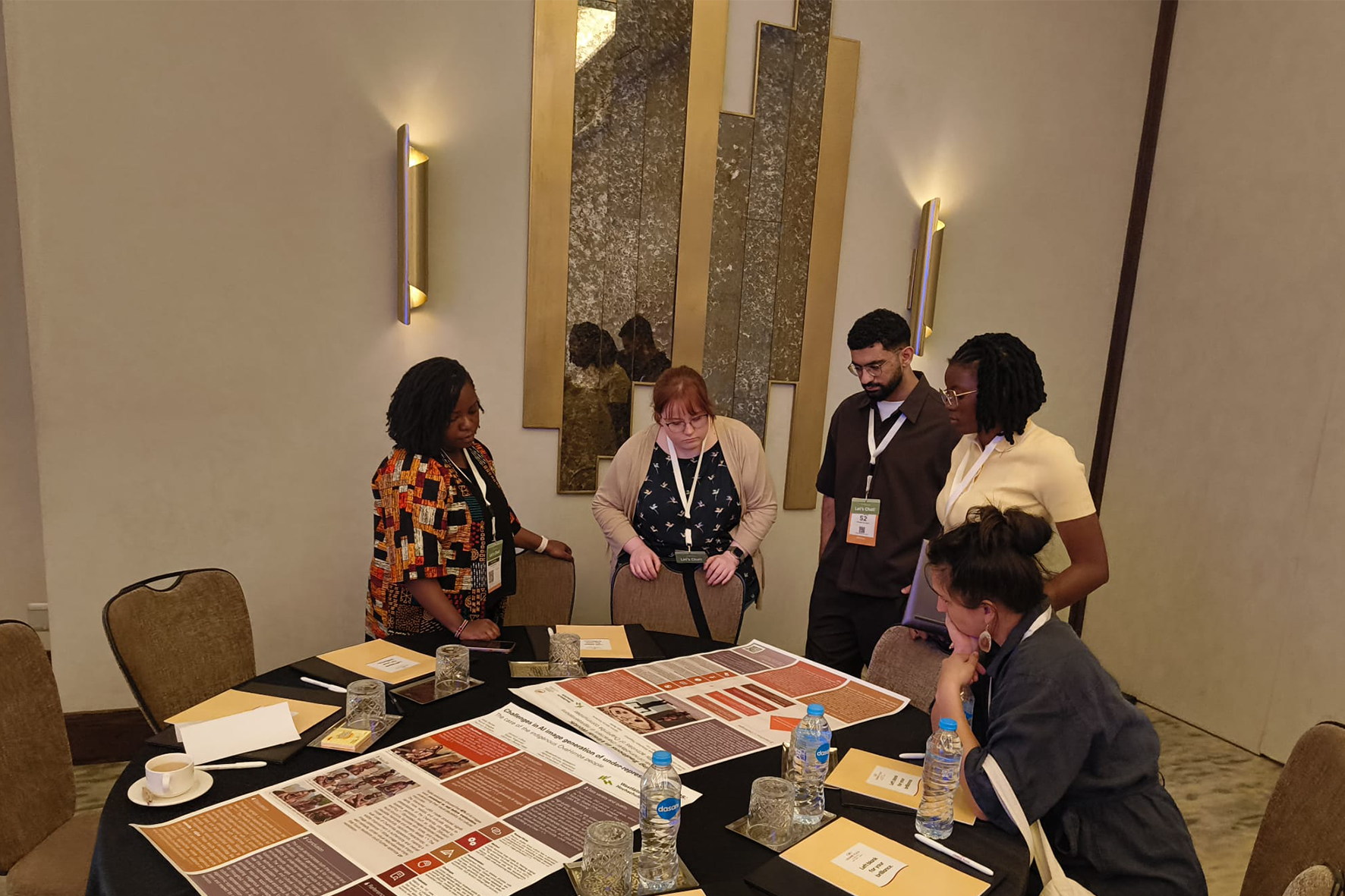
The implementation consists of a VR application developed in Unreal Engine 5 for the Meta Quest 2. A photorealistic reconstruction of an OvaHimba homestead was created using drone data, reference images, and custom 3D assets. NPCs were modeled with tools such as MetaHuman Creator and animated using motion capture data recorded with an XSens suit to ensure natural and realistic movements. An NPC Manager plugin controls location-based routines, enabling characters to perform everyday activities like sitting, crafting, or household work. Ethical design principles guided all technical decisions to avoid cultural appropriation or gamification. The outcomes of the project were presented at AfriCHI 2025 in Cairo, highlighting its relevance within international discussions on HCI, VR, and indigenous cultural representation.

Module

Master Software- and Multimediaproject

Duration

06/2024 – 02/2026

Team Member/s

Ahmed Abu Abdu
Katrin Wutzke